If you’ve ever worked in a Slack-based team, you already know the problem.
A message drops in a channel. Someone replies. Someone else reacts with 👀. And then… nothing.
Was it picked up? Is it being worked on? Who owns it?
This is where most teams silently lose time.
1️⃣ A Request Is Not Work (Yet)
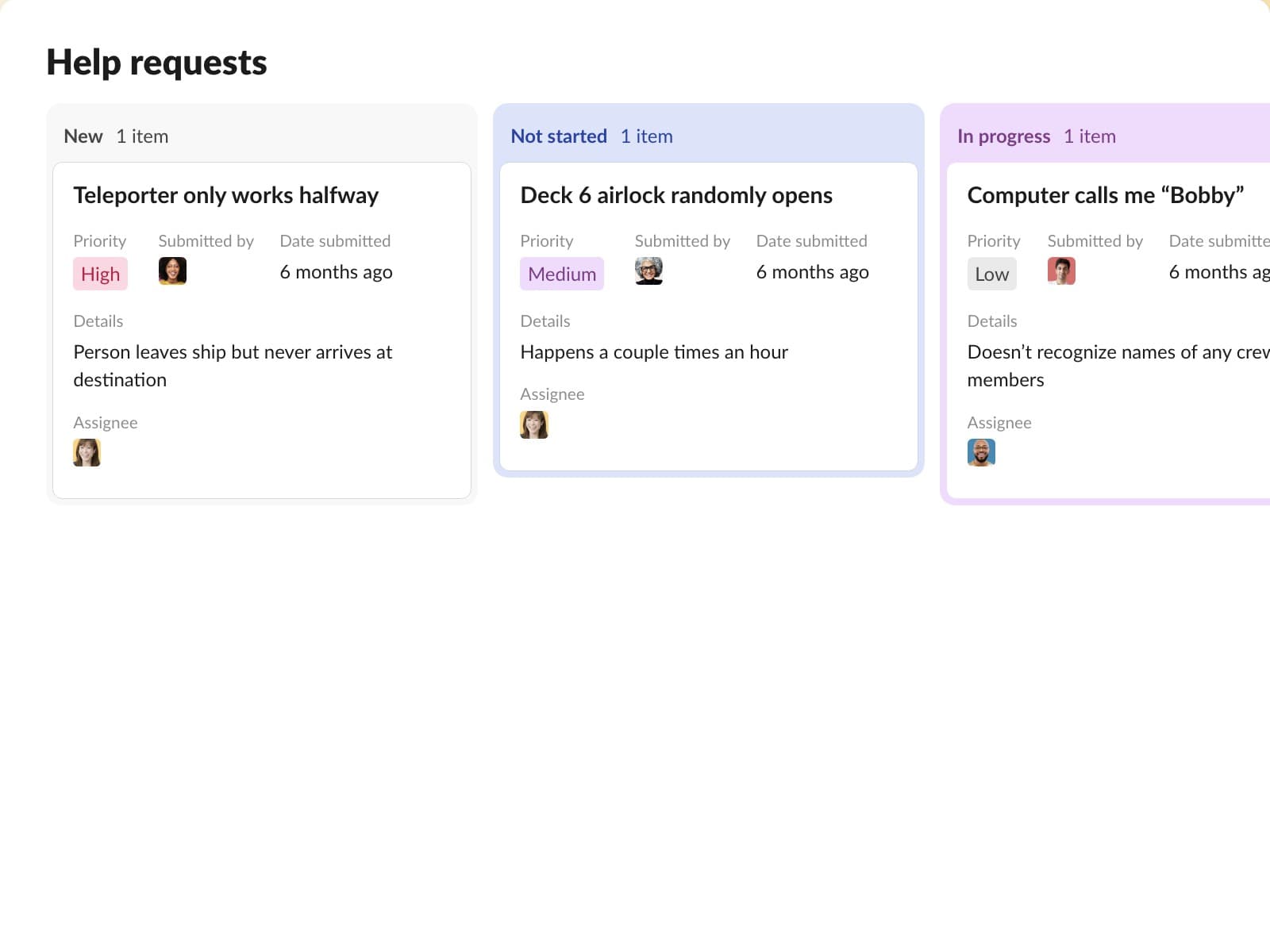
Every support journey starts the same way: a request.
It could be a button click, a short form, or a simple message asking for help. At this stage, it’s just a signal - not work.
And that’s important.
Treating every message as work creates noise. Treating every request as potential work creates clarity.
The key idea here is intent before commitment.
2️⃣ Acceptance Is the Turning Point
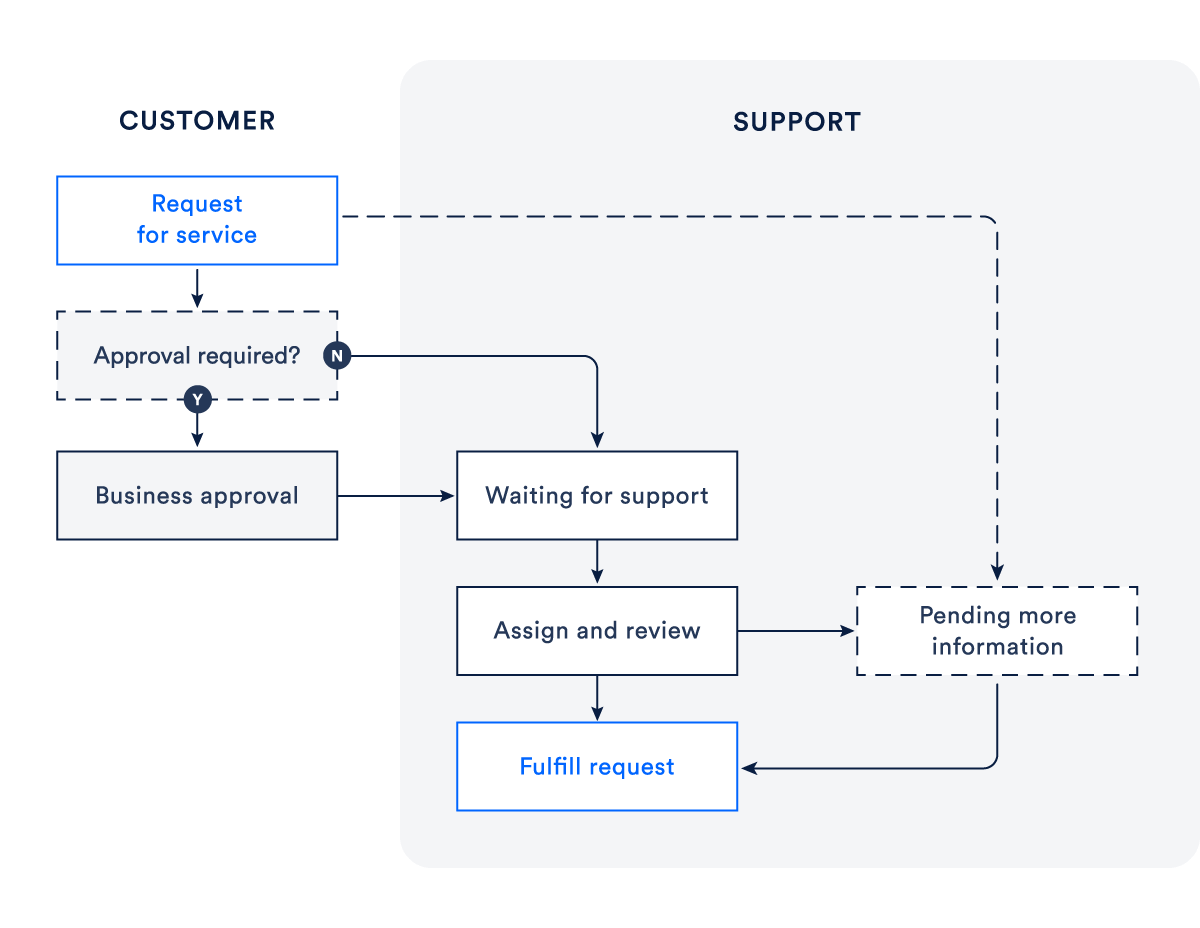
Here’s the most underrated step in modern support systems: acceptance.
A human explicitly says:
“Yes, we’re taking this.”
This single action does a lot:
- Ownership becomes clear
- Accountability is established
- Tracking officially begins
Only after acceptance does the request transform into something meaningful.
This is the moment where conversation becomes responsibility.
3️⃣ Tickets Hold Context, Tasks Do the Work
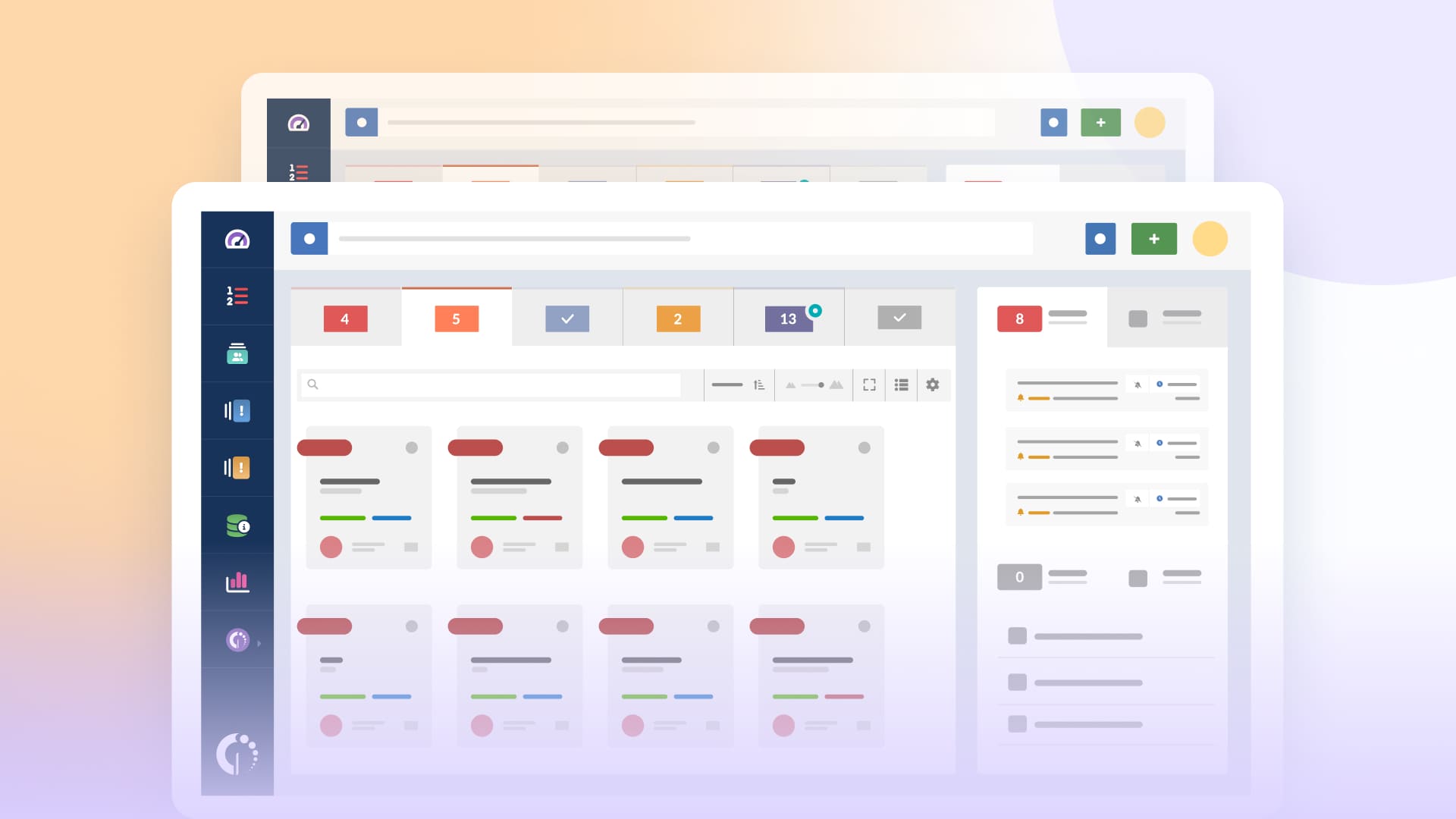
Once accepted, the request becomes a ticket.
A ticket is not just a status label - it’s context:
- What’s the issue?
- Who owns it?
- What’s the current state?
Inside the ticket, teams create tasks. Tasks are internal, focused, and actionable.
The customer doesn’t need to see the chaos behind the scenes. They only need to see progress.
And that separation - clarity outside, structure inside - is what makes systems scale.
4️⃣ What Happens When a Third-Party System Is Involved?
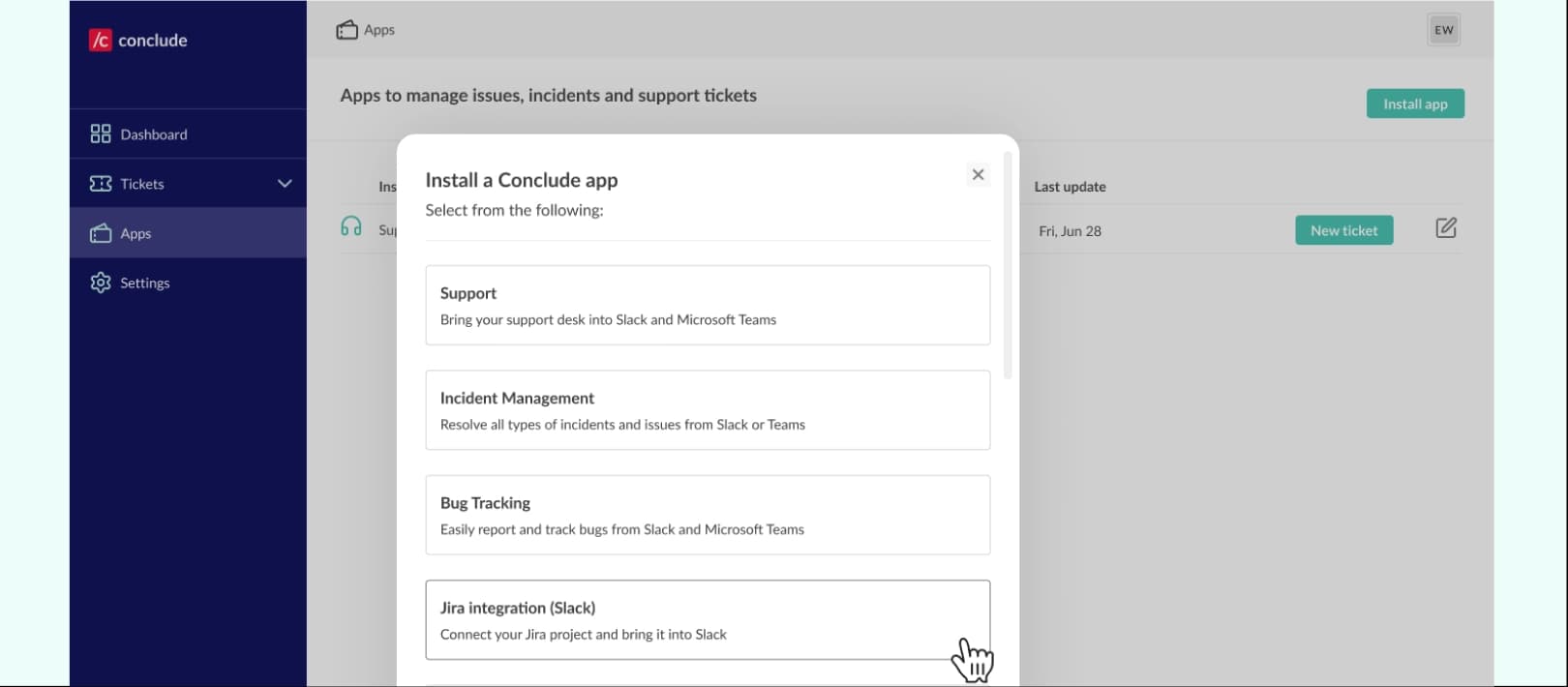
In many teams, support doesn’t live alone.
Engineering already works inside an external issue tracker. Product teams already plan work there. So the question becomes:
What happens to a ticket when it needs to leave Slack?
Here’s the interesting part.
When a ticket is created, a copy of it can be synced to a third-party system (like an issue tracker). That external system becomes the system of record for execution.
But Slack doesn’t lose relevance.
Even if the two companies are completely independent:
- The external system stores the ticket
- Engineers work there as usual
- Status updates flow back automatically
From the customer’s perspective, nothing changes. They still see progress inside Slack.
From the team’s perspective:
- No duplicate work
- No manual updates
- No “Did you update the ticket?” messages
This is decoupling done right.
One system handles conversation and visibility. Another handles execution and long-term tracking.
They don’t need to belong to the same company. They just need to agree on events and updates.
The Real Insight Most People Miss
Modern support systems don’t replace tools. They orchestrate them.
They act like a bridge:
- Frontside: human conversation
- Backside: structured work systems
When that bridge is solid, teams scale without friction - even across tools, teams, and companies.
The Big Takeaway
Support breaks when:
- Messages are mistaken for ownership
- Urgency is assumed instead of defined
- Work lives only in people’s heads
Support works when:
- Requests are intentional
- Acceptance is explicit
- Work is structured, not scattered
The best systems don’t add complexity. They remove ambiguity.
See It in Action
I built a Nest.js project that puts these concepts into code. If you want to see how to build this Slack integration: